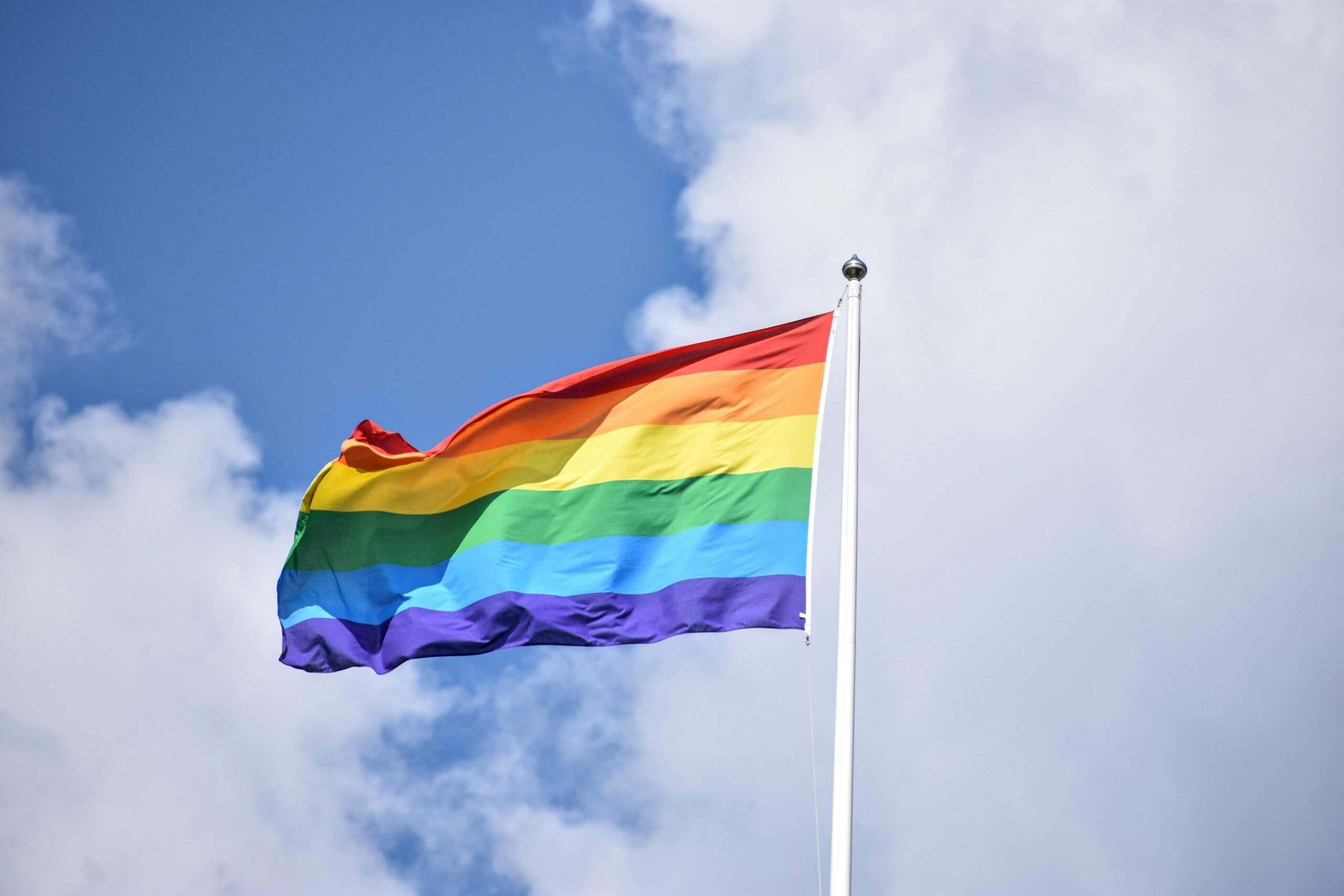
Currently SRF has no public stated policy on LGBTQ issues, however they do not offer same-sex marriage and exclude LGBTQ members from volunteering in certain capacities.
Paramahansa Yogananda is not known to have ever commented on LGBTQ issues; for that reason (as far as I know – there may be other reasons) SRF has not created any policy affirming the rights of LGBTQ members.
The articles below don’t directly relate to Self-Realization Fellowship, however SRF refers to their views as based on “the original Christianity and the original Yoga”. The articles below show that the colonial period in India may have influenced views on LGBTQ people.
Hindu American Foundation Policy Stance
The Hindu American Foundation has a detailed policy stance that includes helpful historical and scriptural references to LGBTQ people. Here’s a summary:
- LGBTQ Hindus can authentically live their lives according to Dharma.
- “As human beings exhibiting natural variation in sexuality and gender expression, LGBTQ people are no more barred from living a life of purpose and devotion than anyone else. There are no references in Hindu sources of knowledge that justify continuing to treat LGBTQ people as unnatural and condemnable; though some passages have been translated and interpreted as otherwise since the colonial era. When given the chance, LGBTQ people have proven just as willing and capable to live as devotees and contribute to the wellbeing, security, and prosperity of their families, communities, and countries.”
- Hinduism acknowledged third gender: “Hindu knowledge sources, particularly medical treatises, approached gender and sexuality with nuance and in multi-dimensional terms, in effect treating gender as an attribute that highly overlaps with, but is still distinct from sex. Overall, human beings are divided into three main categories of gendered innate traits: feminine, masculine or third natured (Tṛtīya-prakṛti in Sanskrit). The third can be further divided into seven general categories, and over 40 specific categories based on combinations of biological sex, sexual orientation, gender identity, physical capability and sexual interests.”
- Colonial Period Influence: “Hindu traditions’ capacity to offer space and affirmation for third natured people became increasingly constricted, especially through British colonization and subjugation. Hindus who were Third Nature were systematically criminalized and punished through targeted legal measures and exclusion from social and economic opportunities.”
- On Children: “Abusing a child, expelling a child from their home or allowing hysteria, prejudice, dogmatism, or shame to overpower a parent’s love and duty to protect their child, is not Dharmic.”
- On Marriage: “Hindu Dharma traditions have a variety of partnership blessing ceremonies – from the traditional 8 types of the Mimamsakas to the numerous ceremonies performed in various regions by diverse communities. In some cases, it is a private event – with just the couple in question present. Others feature an officiant and the most elaborate involve the presence of family members and elders as a blessing, affirming presence. Historically, and in line with the teachings of all the Hindu Dharma traditions, the svayamvara/gāndharva vivāha ceremony is preferred for everyone – straight and LGBTQ. “
Read the full article below:
Human Rights Campaign Article
HRC.org (Human Rights Campaign), has an article on Hinduism’s stance on LGBTQ. On the history of LGBTQ in Hinduism, it says,
“The Vedas refer to a “third sex,” roughly defined as people for whom sex is not procreative, either through impotence or a lack of desire for the opposite sex. Members of the third sex are not ostracized, however, and are sometimes recognized for having divine powers or insights. The Kama Sutra, a Hindu text detailing the pleasures of sexuality, states that same-sex experience is “to be engaged in and enjoyed for its own sake as one of the arts.”
Nevertheless, some Hindu communities continue to be unwelcoming of LGBTQ+ people, often reflecting attitudes imported from conquering nations, such as the British Empire in India.
The Gay & Lesbian Vaishnava Association (GALVA) highlights, in its report Homosexuality, Hinduism and the Third Gender, the gender fluidity of Hindu deities, and notes that “everything in this world is a reflection of the original subtle and spiritual reality.” The epic Mahabharata features the transgender character Sikhandin, and depicts the warrior Arjuna cross-dressing to become Brihannala, teacher of fine arts. GALVA further notes, “Vedic culture allowed transgender people of the third sex, known as hijras, to live openly according to their gender identity.” As stated above, contemporary attitudes will vary across different Hindu organizations and society.”
Leave a Reply